%202022.png)
Why PC & Laptop Prices Are Rising Fast – And Why Acting Now Could Save You Money
Published 14 January 2026
If you’ve recently priced up a new PC or laptop and thought “that seems far more expensive than it used to be”, you’re absolutely right.
Across the industry, computer prices are rising, and this time it isn’t down to short-term shortages or seasonal demand. Several long-term factors are coming together — and they’re already affecting the cost of everyday business machines.
What’s Causing PC Prices to Rise?
1. Global demand for AI hardware
The rapid growth of artificial intelligence has created huge demand for processors, graphics cards, and — most importantly — memory (RAM). Large data centres and cloud providers are buying components in bulk, which reduces availability for consumer and business PCs.
2. Rising memory (RAM) costs
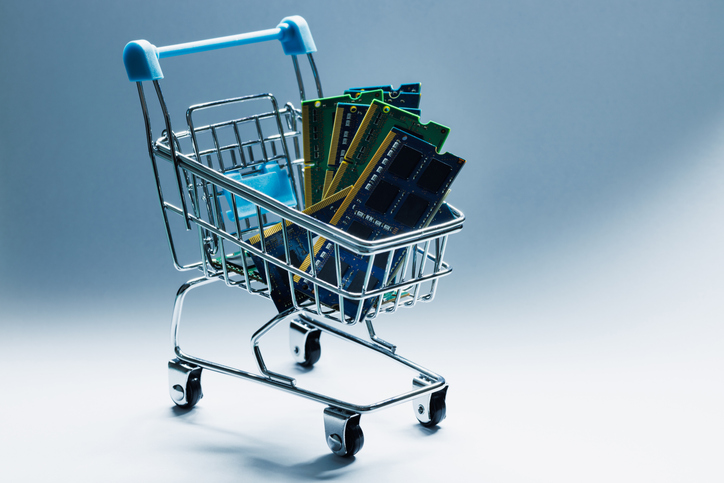
RAM is a core component in every modern computer. As manufacturers prioritise specialist memory for AI and server infrastructure, less capacity is available for standard PC and laptop memory — pushing prices up across the board.
3. Limited manufacturing capacity
Computer components aren’t quick or cheap to produce. There are only a handful of global manufacturers, and when demand exceeds supply, prices inevitably rise.
4. Higher build costs = higher retail prices
When components cost more, manufacturers and suppliers have no choice but to increase prices on finished PCs and laptops — even on mid-range systems that were previously considered affordable.
Why This Matters Right Now
Here’s the key point:
Many suppliers are still selling laptops and PCs built using older stock, purchased before the latest cost increases fully took effect.
That means there is currently a small window of opportunity where:
Sensibly-spec’d business laptops are still available at lower prices
Once that stock is gone, replacement models will cost more
The same specification could be hundreds of pounds more expensive later in the year
This isn’t panic buying — it’s simply understanding how the market works.
Who Should Be Considering an Upgrade?
Now is a good time to act if you:
Have laptops approaching 3–5 years old
Are planning staff or business growth in 2025–2026
Want predictable IT costs rather than reacting to price hikes
Prefer planned upgrades over rushed replacements when machines fail
Final Thoughts:
Technology pricing moves in cycles, but the current pressures from AI, component shortages, and manufacturing constraints suggest that PC and laptop prices are unlikely to fall anytime soon.
If you’re already considering an upgrade, acting sooner rather than later could mean better value, more choice, and fewer compromises — before rising costs become the new normal.
Across the industry, computer prices are rising, and this time it isn’t down to short-term shortages or seasonal demand. Several long-term factors are coming together — and they’re already affecting the cost of everyday business machines.
What’s Causing PC Prices to Rise?
1. Global demand for AI hardware
The rapid growth of artificial intelligence has created huge demand for processors, graphics cards, and — most importantly — memory (RAM). Large data centres and cloud providers are buying components in bulk, which reduces availability for consumer and business PCs.
2. Rising memory (RAM) costs
RAM is a core component in every modern computer. As manufacturers prioritise specialist memory for AI and server infrastructure, less capacity is available for standard PC and laptop memory — pushing prices up across the board.
3. Limited manufacturing capacity
Computer components aren’t quick or cheap to produce. There are only a handful of global manufacturers, and when demand exceeds supply, prices inevitably rise.
4. Higher build costs = higher retail prices
When components cost more, manufacturers and suppliers have no choice but to increase prices on finished PCs and laptops — even on mid-range systems that were previously considered affordable.
Why This Matters Right Now
Here’s the key point:
Many suppliers are still selling laptops and PCs built using older stock, purchased before the latest cost increases fully took effect.
That means there is currently a small window of opportunity where:
Sensibly-spec’d business laptops are still available at lower prices
Once that stock is gone, replacement models will cost more
The same specification could be hundreds of pounds more expensive later in the year
This isn’t panic buying — it’s simply understanding how the market works.
Who Should Be Considering an Upgrade?
Now is a good time to act if you:
Have laptops approaching 3–5 years old
Are planning staff or business growth in 2025–2026
Want predictable IT costs rather than reacting to price hikes
Prefer planned upgrades over rushed replacements when machines fail
Final Thoughts:
Technology pricing moves in cycles, but the current pressures from AI, component shortages, and manufacturing constraints suggest that PC and laptop prices are unlikely to fall anytime soon.
If you’re already considering an upgrade, acting sooner rather than later could mean better value, more choice, and fewer compromises — before rising costs become the new normal.